
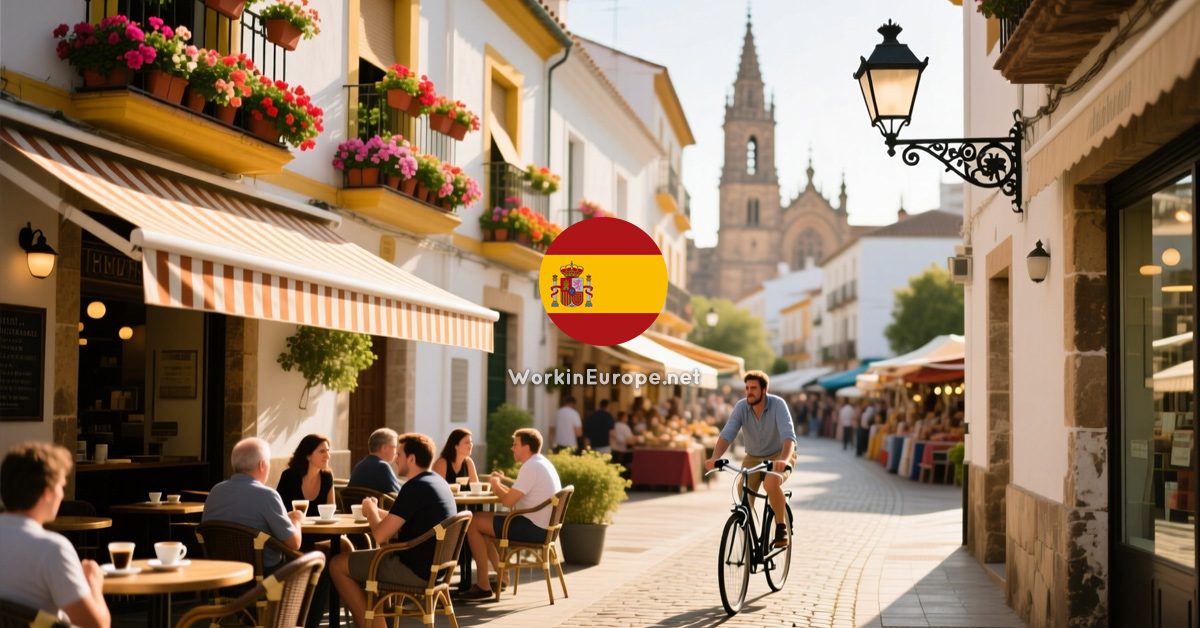
Moving to or living in Spain in 2026 means navigating a landscape of sunny affordability punctuated by rising costs. While still a bargain compared to much of Northern Europe and North America, inflation and global economic shifts are reshaping the coste de la vida. Let’s break down what you can expect to budget for, from tapas to taxes.
Housing: Your Biggest Variable
This remains the most significant expense and the largest regional divide.
- Rent: In major cities like Madrid or Barcelona, a one-bedroom apartment in the city center will likely range from €1,100 to €1,600 per month. Move to the suburbs or smaller cities like Valencia or Seville, and that drops to €700 – €1,000. In tranquil towns and rural areas, you might find places for €500 or less.
- Purchase Prices: The post-pandemic surge has cooled, but demand keeps prices stable. Expect averages of €3,500-€4,500/m² in prime city centers, dropping significantly elsewhere. The south coast (Costa del Sol) and Balearic Islands command premium prices.
- Pro Tip: Always factor in community fees (comunidad) for apartments and annual property taxes (IBI).
Utilities & Internet: Monthly Basics
Budget around €150-€220 per month for a standard household.
- Electricity: €60-€100 (highly dependent on air conditioning use).
- Water: €20-€40.
- Gas (for heating/cooking): €30-€50.
- High-Speed Fiber Internet + Mobile Plans: €40-€60 for a competitive bundle.
Considering a Move? Navigating Spanish bureaucracy for visas, NIE, and banking can be daunting. A trusted [Relocation Service Partner] can save you months of headache. [Get a Free Consultation Here].
Groceries & Eating Out: The Joy of Mercados
Spain’s food culture is both a luxury and a lifesaver for your wallet.
- Weekly Groceries: A couple can eat well on €50-€80 per week by shopping at local markets (mercados) and chains like Mercadona. Fresh produce, olive oil, and wine are notably affordable.
- Eating Out: This is where Spain shines. A menú del día (lunch menu) with three courses and a drink costs €12-€18. A casual dinner with wine might be €25-€40 per person. A coffee at a bar? Still around €1.50.
Transportation: Excellent and Affordable
- Public Transit: Metropolitan monthly passes (Madrid, Barcelona) cost €35-€60. Local buses and trains are even cheaper.
- Fuel: Petrol prices are volatile, but expect €1.70-€1.90 per liter. This makes leasing an electric vehicle an increasingly smart financial choice, with lower charging costs and tax incentives.
- Inter-City Travel: The high-speed AVE train network is fantastic, but book in advance for deals. Budget airlines connect the country for as little as €30-€50 one-way.
Healthcare: Public and Private
- Public Healthcare: Free at point of use for legal residents and taxpayers. Wait times for specialists can be long.
- Private Health Insurance: A popular supplement for expats and locals alike, costing €50-€150 per month for comprehensive coverage. It provides faster access and English-speaking doctors.
Worried About Healthcare? Securing the right private health insurance is crucial for your visa and peace of mind. Compare plans from top providers in minutes with our partner, [Health Insurance Comparison Tool]. [Click for Instant Quotes].
Lifestyle & Discretionary Spending
- Fitness/Gym: €30-€50/month.
- Entertainment (Cinema, etc.): €10-€20 per outing.
- Miscellaneous (Shopping, Personal Care): This can vary wildly, but budgeting an extra €200-€400 per month is prudent.
The Bottom Line: Sample Monthly Budget
- Single Person in a City Center: €1,800 – €2,500 (comfortable, with leisure)
- Couple in a City Suburb: €2,500 – €3,500 (shared housing costs)
- Family of Four in a Smaller City: €3,500 – €4,800+ (depending on school choices)
Key Factors for 2026
- Inflation Watch: While moderated, energy and food prices remain sensitive to global events.
- Digital Nomad Visa: This is attracting remote workers, potentially tightening the rental market in popular coastal and urban areas.
- Taxation: Research regional differences. The Beckham Law (24% flat tax for eligible new residents) can offer significant savings for high-earning professionals.
The Verdict?
Spain in 2026 offers a compelling quality-of-life-to-cost ratio. By choosing your location wisely—opting for a vibrant second-tier city over the capital, or a pueblo over a resort—you can dramatically stretch your euros. The secret is to live like a local: shop at the market, enjoy the menú del día, and embrace the siesta. With smart planning, the Spanish dream is still very much affordable.