
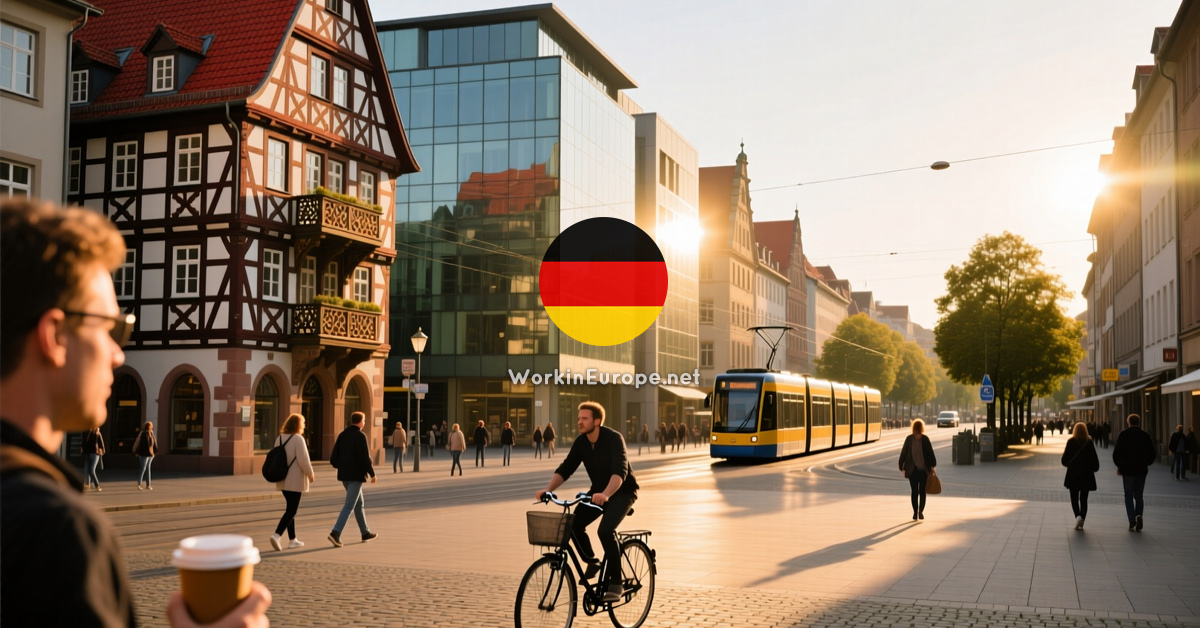
Understanding the 2026 German Price Landscape
First, a crucial point: Germany’s cost of living is famously regional. A budget for Berlin will differ wildly from one for Munich or a smaller city like Leipzig. Inflation has stabilized from its peak, but a “new normal” of higher baseline prices for energy and goods has set in. This 2026 outlook factors in current trends and economic forecasts.
Housing: Your Biggest Monthly Expense
This remains the most significant chunk of your budget. Expect continued demand in major cities.
- Major Cities (Munich, Frankfurt, Hamburg): Average cold rent for a one-bedroom apartment in the city center will likely range from €1,200 to €1,700+. Outside the center, you might find options from €900 to €1,300.
- Mid-Sized Cities (Cologne, Düsseldorf, Stuttgart): Center apartments may cost €950 to €1,400, with outskirts from €700 to €1,100.
- Smaller Cities/Towns: Here, prices become more manageable, often between €600 and €900 for a decent one-bedroom.
Pro Tip: *Always factor in “Nebenkosten” (utilities like heating, water, garbage) which can add €200-€350 monthly. Internet and electricity are usually separate contracts, adding another €80-€120.*
Groceries & Daily Necessities: The Weekly Budget
Shopping at discounters like Aldi, Lidl, or Penny is the secret to managing costs. Here’s a 2026 snapshot:
- Basic Groceries: A liter of milk (~€1.20), a loaf of bread (~€2.50), a dozen eggs (~€3.00), 1 kg of chicken breasts (~€9). A weekly shop for one person can reasonably cost €50-€75 if you’re mindful.
- Eating Out: A casual lunch costs €12-€18, a dinner at a mid-range restaurant €25-€40 per person. A cappuccino is around €3.50, and a half-liter of beer in a bar €4-€5.50.
Transportation: Efficient but Not Free
Germany’s public transport is excellent. The €49 Deutschland-Ticket (expected to continue, possibly with a modest price increase) is a game-changer, allowing nationwide travel on regional trains, buses, and trams. In cities, monthly transit passes range from €70 to €100. For drivers, fuel costs (petrol ~€1.85/liter) and high parking fees in cities add up quickly.
Health Insurance: Non-Negotiable and Essential
Public health insurance (Gesetzliche Krankenversicherung) is mandatory for most. It’s income-based, typically 14.6% of your gross salary plus an additional charge, split between you and your employer. For self-employed or high-earners, private insurance costs vary widely.
A Sample Monthly Budget for a Single Person in a Mid-Sized City
Let’s make this tangible:
- Rent (warm): €1,100
- Groceries: €280
- Public Transport (Deutschlandticket): €49
- Health Insurance (employee share): €200
- Internet & Mobile: €70
- Leisure & Eating Out: €200
- Miscellaneous (clothing, household): €150
- Estimated Total: €2,049+
This is a conservative estimate. Life in a major city or with a car easily pushes this toward €2,600+.
Smart Ways to Stretch Your Euro in 2026
- Master the Discounters: Aldi and Lidl are your best friends for quality basics.
- Think Regional for Housing: A 20-minute train ride can slash your rent dramatically.
- Use Price Comparison Sites: For electricity (Check24), internet (Verivox), and insurance.
- Embrace “Pfand”: Return bottles and cans for recycling credit at supermarkets.
- Tap into Free Culture: Many museums have free admission days, and public parks and hiking trails are plentiful.
The Bottom Line: Is It Worth It?
While Germany is not a low-cost country, the 2026 price tag comes with undeniable value: world-class infrastructure, a robust social safety net, accessible healthcare, and a high quality of life. By planning with these numbers, embracing local cost-saving habits, and choosing your city wisely, you can build a comfortable and sustainable life in the heart of Europe.
Thinking of making the move? Thorough research and a clear budget are your most important first steps. Consider connecting with expat forums for real-time tips from those already on the ground.